
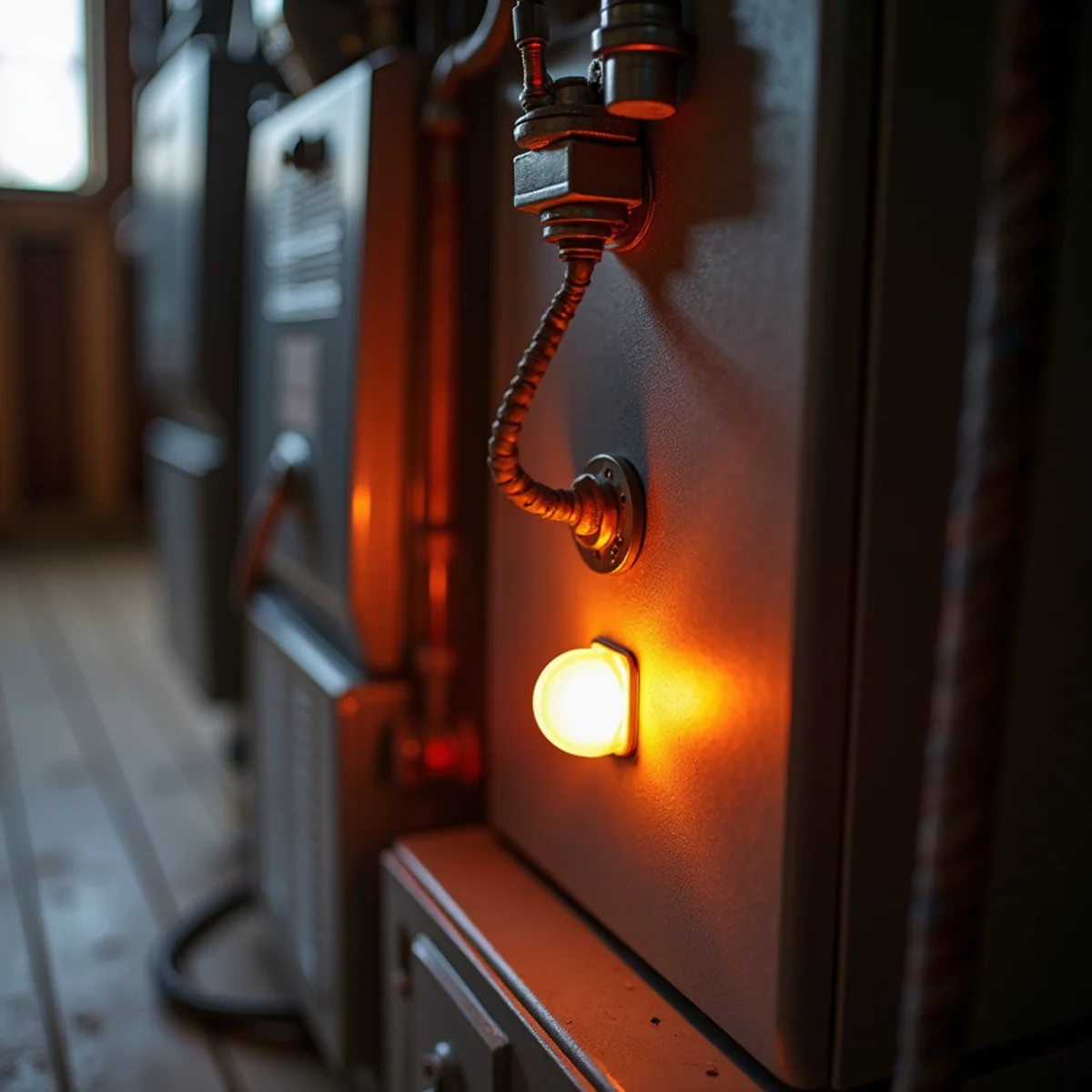
Direct Answer: Why Furnaces Fail on the Coldest Night of the Year in Texas
When a severe winter freeze hits Humble and Harris County, gas furnaces and heat pumps frequently fail to start because 9 to 10 months of hot attic dormancy has left flame sensors coated in carbon oxidation, dust has clogged burner orifices, or rapid freezing temperatures have iced over high-efficiency PVC condensation drain traps.
Modern furnaces adhere to strict digital safety protocols. If any single sensor fails to verify safe venting, adequate combustion air, or clean burner ignition within 4 seconds, the control board locks the system out to prevent gas buildup or carbon monoxide risks.
The Extended Summer Dormancy Penalty: What 9 Months of Texas Heat Does to Heaters
In Southeast Texas, central air conditioning runs nearly continuously from March through November. During this extended period, your heating machinery sits completely idle inside an unconditioned attic where temperatures soar past 135°F with 90% humidity.
Under these extreme conditions, moisture in the air causes mild microscopic rust to form along steel burner tubes and flame sensor rods. Spiders frequently build tiny webs inside burner orifices and draft inducer pressure switch tubes. When the first freezing front arrives and the thermostat calls for heat, these small dormant issues prevent proper gas ignition.
The 5-Step Electronic Ignition Sequence: Pinpointing Where Your Furnace Fails
Understanding the exact sequence of operation helps diagnose why your heater is blowing cold air or sitting completely silent:
- •Step 1 - Call for Heat & Draft Inducer Start: The thermostat closes the 'W' circuit. The small draft inducer fan motor starts to pull fresh combustion air and vent exhaust gases.
- •Step 2 - Pressure Switch Proving: The inducer fan creates a negative vacuum that pulls a rubber diaphragm switch closed, verifying that the exhaust flue is clear.
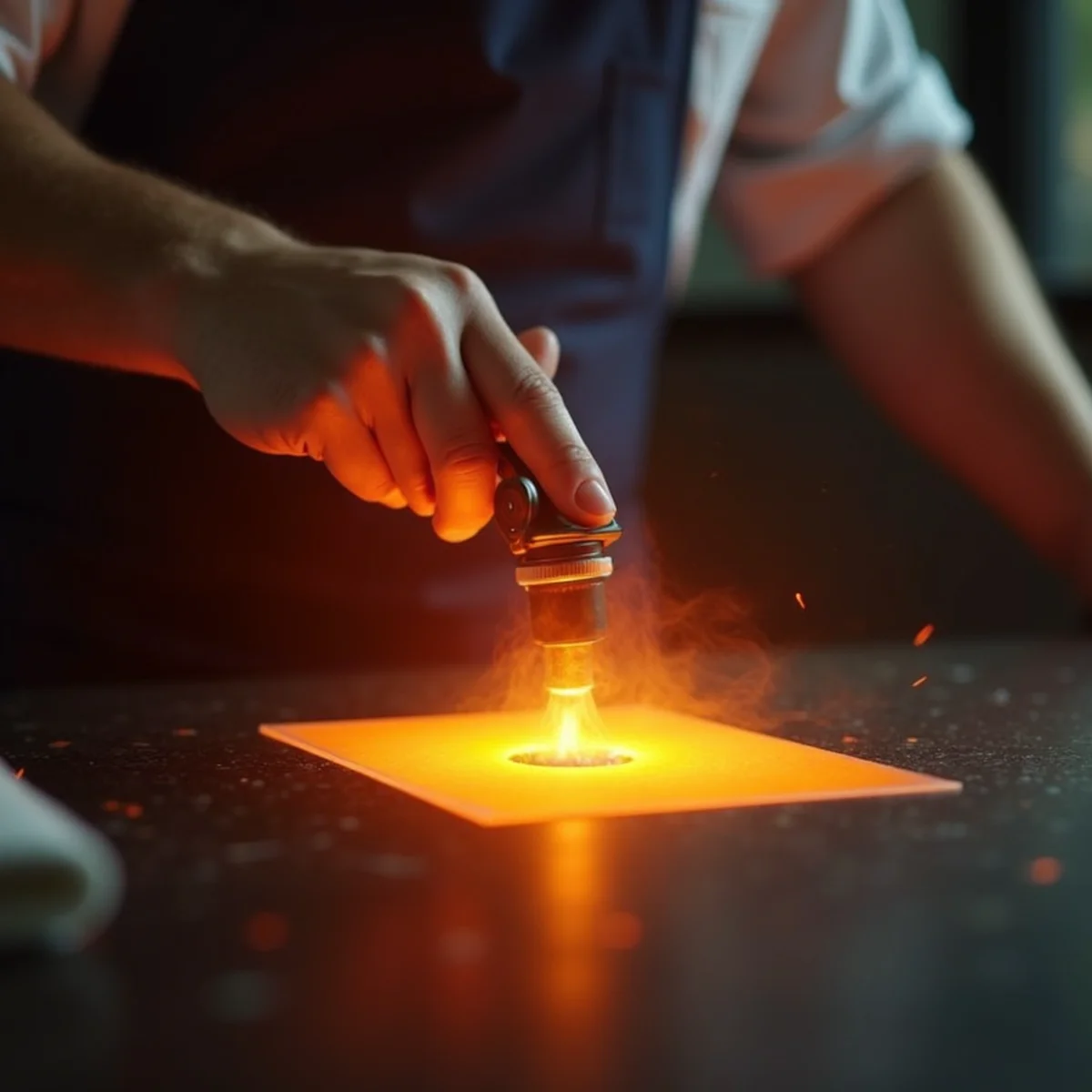
- •Step 3 - Hot Surface Igniter Glow: The silicon nitride igniter receives 120V and glows bright incandescent yellow-orange, reaching over 2,000°F within 30 seconds.
- •Step 4 - Gas Valve Opening & Burner Light-Off: The 24V gas valve opens, releasing natural gas across the burners, which ignites smoothly from the hot surface igniter.
- •Step 5 - Flame Sensor Rectification: A thin stainless steel rod (flame sensor) bathed in burner fire creates a tiny microamp DC electrical current. If the control board does not detect this microamp signal within 4 seconds, it immediately snaps the gas valve shut.
Safe Homeowner Triage vs Emergency Professional Diagnostics
Before calling for emergency service, check these safe troubleshooting steps:
- •Check the Gas Supply Valve: Verify that the yellow-handled natural gas valve at the furnace gas line is turned parallel to the pipe (open).
- •Inspect the Furnace Service Switch: Ensure the toggle switch on or near the attic unit (which resembles a standard light switch) was not accidentally flipped off.
- •Replace a Heavily Clogged Filter: A severely restricted air filter traps heat inside the heat exchanger, triggering the high-temperature limit switch and shutting down burners.
- •Never Attempt to Force a Gas Valve: If your furnace locks out and flashes an error code (such as 3 red blinks for pressure switch error or 1 blink for flame failure), do not attempt to bypass safety switches.
Preventing Frozen Attic Condensate Traps and Winter Carbon Monoxide Hazards
High-efficiency (90%+ AFUE) condensing furnaces produce acidic water condensation as exhaust gases cool. In uninsulated Texas attics during extended freezes (like the historic Winter Storm Uri), exposed PVC drain lines can freeze solid, backing water into the collector box and locking out the furnace.
Furthermore, aging furnaces with rusted or cracked heat exchangers pose severe carbon monoxide (CO) risks when forced to run continuously under high winter loads. Dispatched technicians conduct combustion analysis and heat exchanger camera inspections on every call. Call Hooten Air Pros at (321) 478-0693 for 24/7 emergency freeze dispatch.
Have an Immediate Heating or AC Problem in Humble?
Capacitors, motors, coils, and drain lines serviced 24/7. Call (321) 478-0693.
Related Local Services & Coverage Areas
Questions Homeowners Ask About This Topic
Clear, straightforward answers about HVAC service, repairs, and pricing in Humble, TX.
Not Urgent? Send a Request
Schedule non-emergency repairs, seasonal tune-ups, or request an in-home replacement estimate.